Aquarius Rising
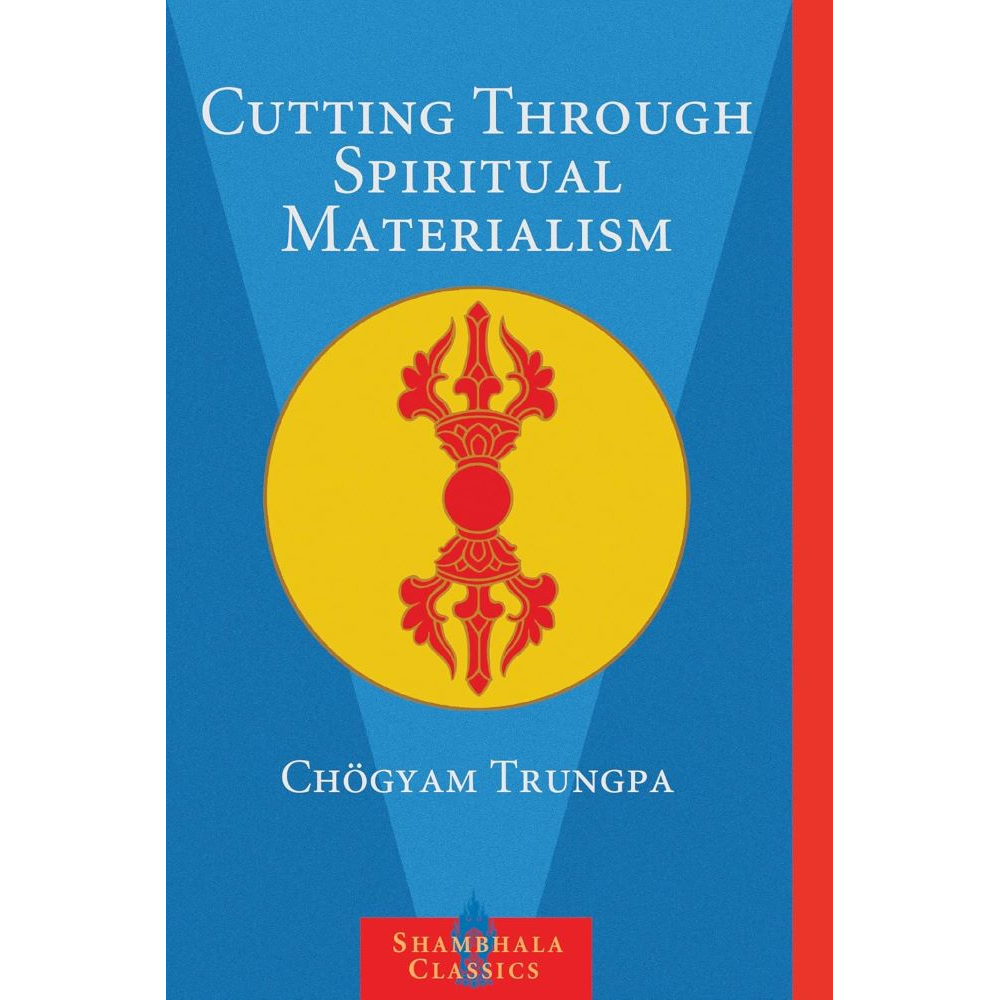
Cutting Through Spiritual Materialism
Cutting Through Spiritual Materialism
Couldn't load pickup availability
This modern spiritual classic highlights a trick we play on ourselves and offers a brighter reality: liberation by letting go of the self rather than working to improve it
The Tibetan meditation master Chögyam Trungpa calls attention to the commonest pitfall to which every aspirant on the spiritual path falls prey: what he calls spiritual materialism. "The problem is that ego can convert anything to its own use," he says, "even spirituality." The universal tendency is to see spirituality as a process of self-improvement—the impulse to develop and refine the ego when the ego is, by nature, essentially empty.
Trungpa's incisive, compassionate teachings serve to wake us up from these false comforts. Featuring a new foreward by his son and lineage holder, Cutting Through Spiritual Materialism has resonated with students for nearly thirty years—and remains as fresh as ever today.
Product Details:
ISBN# 9781570629570
Paperback, 272 pages.
Publisher: Shambhala Publications, Published: August 2002.
Size: 5.94 x 0.71 x 8.98 inches, Weight: 0.84 Lbs.
Author
Chogyam Trumpa
(1940–1987)

Chögyam Trungpa was tasked by the Dalai Lama to come to United States in the early 60's to introduce and teach Tibetan or the Mahayana Path. He was known meditation master, teacher, and artist—founded Naropa University in Boulder, Colorado, the first Buddhist-inspired university in North America; the Shambhala Training program; and an international association of meditation centers known as Shambhala International. He is the author of numerous books including Shambhala: The Sacred Path of the Warrior, Cutting Through Spiritual Materialism, and The Myth of Freedom.
Editorial Reviews:
"The usefulness of this book lies in Trumpa's uncanny aboility to cut right to the heart of the matter adn present his uderstanding of Buddhism and the way of life it teaches in a mannere that is applicable to his student's living situation." -Journal of the American Academy of Religion
“Based on the highest view of the Vajrayana school, it defines basic principles not only of Buddhism but of spiritual practice altogether. Always contemporary and relevant, a profound influence on how Buddhism is understood today.”—Lion’s Roar